
It started with a mug.
Not just any mug—this one had a cute cat stretching across it, with “Stay Pawsitive” written in golden cursive. I didn’t need it; my kitchen shelf was already a museum of mugs. But something about it made me smile. Within minutes, it was mine—swiped, ordered, confirmed.
Fast forward two days later, it arrived. I admired it, snapped a picture, posted it on Instagram—and then quietly placed it beside the others. That brief thrill faded faster than the delivery notification.
And that’s when it hit me: I didn’t buy the mug. I bought a feeling.
Sound familiar? You’re not alone. Most of us, at some point, have fallen into the gentle trap of emotional spending—that quick dopamine rush of buying something we don’t really need, just because it feels good in the moment.
Why We Spend Emotionally
Our spending habits often say more about our emotions than our wallets.
- Instant Gratification – Our brains are wired for rewards. That “Buy Now” button lights up the same pleasure centers that sugar or compliments do. Shopping gives us a quick emotional fix.
- Stress and Boredom – “Retail therapy” isn’t just a meme. When we’re stressed, lonely, or bored, buying something feels like taking control—an instant way to lift our mood.
- Social Pressure & FOMO – A flash sale on Instagram, your friend’s shiny new phone, or that influencer’s “must-have” skincare set—suddenly, not buying feels like missing out.
- Marketing Triggers – Ever noticed phrases like “Only 2 left!” or “Limited-time offer!”? They’re designed to hijack logic and create urgency—so you buy now and think later.
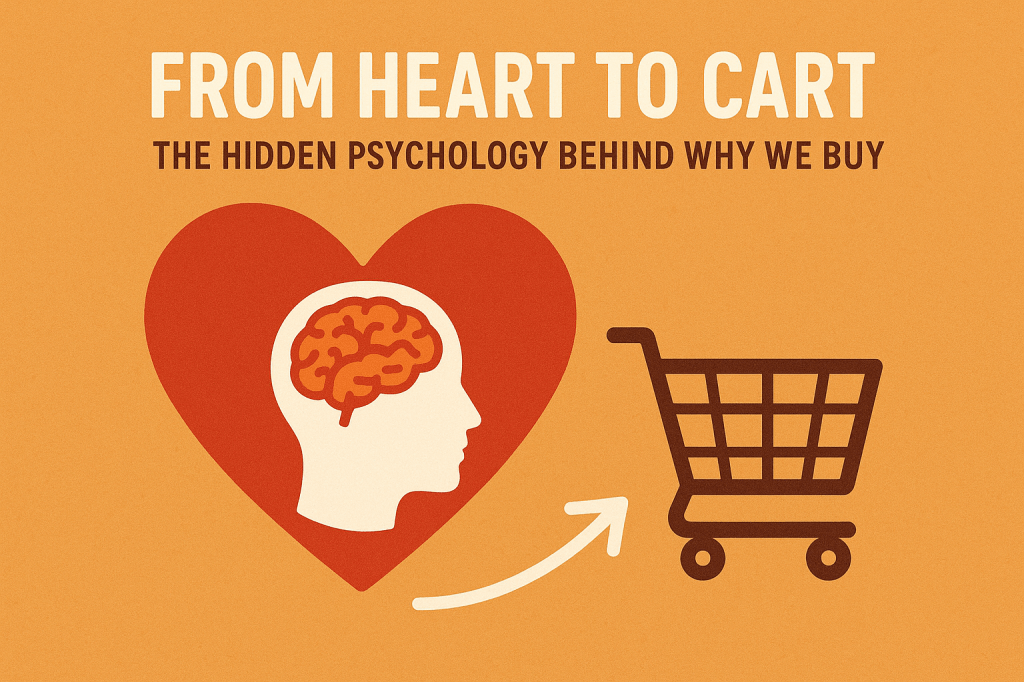
The Science Behind the Swipe
Every emotional purchase has a neurochemical story. When we shop, our brain releases dopamine, the “feel-good” hormone. It’s why clicking through an online store at midnight feels oddly comforting.
Even the environment conspires with our emotions:
• Bright store lights and upbeat music set the “happy to buy” tone.
• One-click checkouts make spending feel effortless.
• And credit cards? They numb the sting of parting with real cash, encouraging us to spend more than we intend.
Real-Life Glimpses
• Tossing “just one more item” into your cart at 11:45 p.m.
• Buying clothes after a tough meeting.
• Picking up those random snacks or keychains near the checkout counter.
We’ve all been there. These tiny decisions add up—not just in money, but in missed mindfulness.
The Hidden Cost of Emotional Purchases
The thrill of buying fades, but the consequences linger:
• Regret when the excitement wears off.
• Debt or budget strain if the habit repeats.
• Lost opportunities—money that could’ve built savings, funded travel, or supported something truly meaningful.
That cute mug may have been harmless, but over time, emotional spending can quietly chip away at financial peace.
How to Take Back Control
The goal isn’t to stop spending—it’s to spend smarter.
Here’s how you can outsmart that emotional impulse:
• Pause Before Purchase: Give yourself 30 seconds—or even 24 hours—before hitting Buy Now.
• List Needs vs. Wants: Writing it down helps clarify what really matters.
• Spend in Cash: The physical act of paying makes the transaction more “real.”
• Track Your Expenses: Budgeting apps reveal your spending patterns and triggers.
• Find Alternatives: When stressed, try a walk, a chat with a friend, or journaling instead of shopping.
Final Thought
Emotional spending isn’t a flaw—it’s part of being human. The trick isn’t guilt, but awareness. Each moment you pause before buying, you’re strengthening not just your finances, but your self-control.
So next time you feel that urge to splurge, take a deep breath and ask yourself:
Am I buying this for lasting joy—or just for the moment?
That one question might save more than just your wallet—it could save your peace of mind.
 Aditi Mathur | Educator & Researcher